







Search Results for: Cupping Score
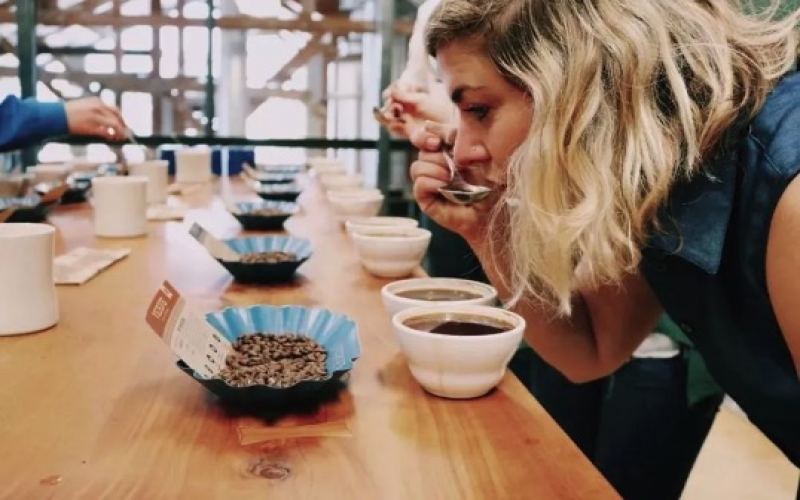
The scoring criteria for coffee cupping. SCA How to evaluate a cup of coffee.
The scoring criteria for coffee cupping. The cupping of coffee beans was initially to ensure whether the quality of the coffee beans that are about to enter the trade is qualified. With the passage of time, after the concept of specialty coffee was b [more…]
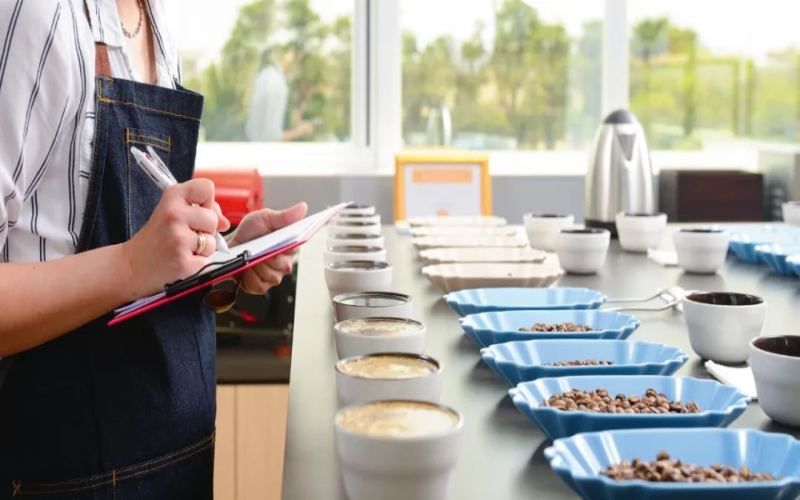
Specialty Coffee | What is the difference between specialty coffee and commercial coffee? What is the SCA definition of specialty coffee? Characteristics of specialty coffee and cupping score
In coffee history, the specialty coffee wave and its three waves form the basic understanding people have of coffee. People often compare and contrast specialty coffee beans with commercial coffee beans, as if the two were opposites. So what are the differences and connections between them? To understand the differences between the two, we must first understand specialty coffee's [more…]
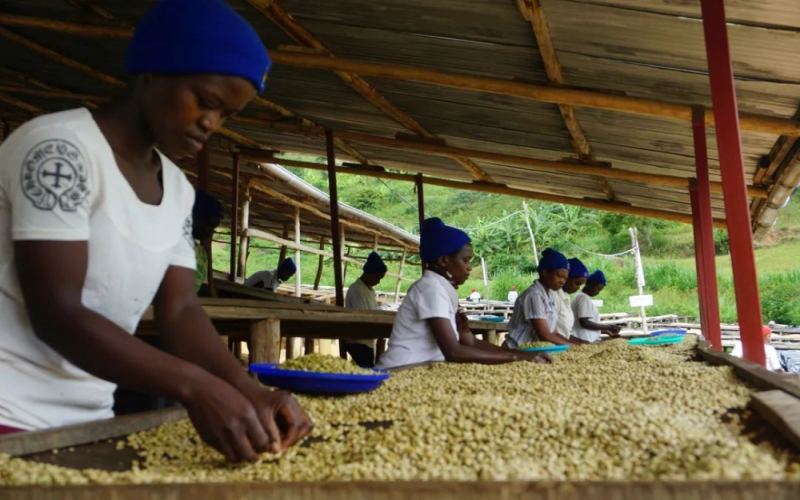
A Complete Guide to Ethiopian Coffee Heirloom Varieties: From Variety Characteristics to the Red Cherry Project and Grading System
Ethiopia is a genetic treasure trove of coffee, with a vast array of native varieties and unique flavors. From Yirgacheffe to Sidamo, from washed to natural, every bean is full of surprises. This article takes you deep into Ethiopia's coffee variety classifications, flavor characteristics, processing method differences, the Red Cherry Project, and its unique grading system, and shares Front Street Coffee's cupping and brewing experience to help you gain a comprehensive understanding of this major African coffee country. [more…]

What is a Q-Grader? Is it worth taking the test?
There always is such a group of people who have obtained a code for self-reference due to the particularity of their profession. Even in the seemingly not vast field of coffee, there is also such a profession. After the concept of specialty coffee wa [more…]

Yirgacheffe Coffee Grading | Is There a Big Difference Between G1 and G2 Yirgacheffe Single-Origin Beans? Must-Buy Light Roast Pour-Over Coffee Beans for Coffee Lovers
We know that coffee bean grading methods are usually based on the actual conditions of the growing country. Some are graded by bean size, such as Kenyan coffee; some by altitude, such as Blue Mountain coffee; and some by defect rate, such as Ethiopian coffee. As the gene pool of Arabica, Ethiopia has a wide variety of coffee varieties. [more…]
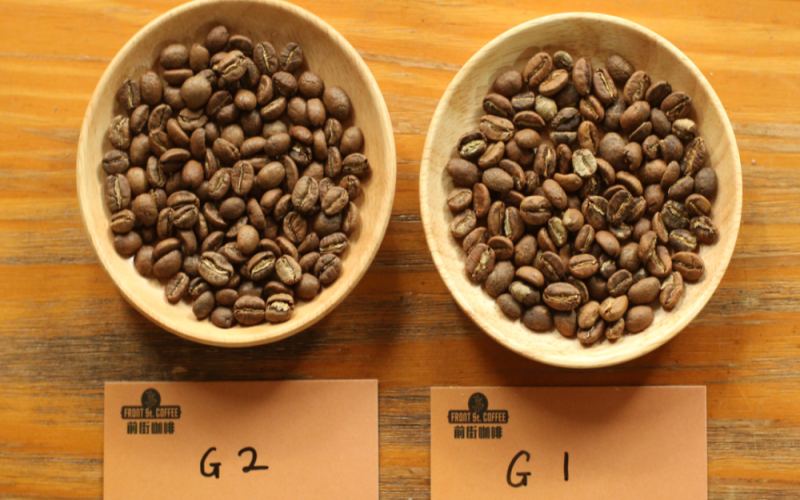
An Introduction to Green Coffee Bean Grades | A Comparison of Coffee Bean Characteristics, Flavor, and Taste Across National Green Coffee Bean Grading Systems: G1, G2, AA, PB, SHB
For more specialty coffee knowledge, please follow our WeChat official account: Front Street Coffee (FrontStreet Coffee). Many friends, while drinking coffee at Front Street, ask our baristas, "What is Yirgacheffe G1 and Yirgacheffe G2?" "What is Kenya AA, AB?" What is Guate... [more…]
Micro-lots and Cooperatives: The Journey of a Hand-Pour Bean from Farm to Shelf
On specialty coffee menus, words like "micro-lot," "cooperative," and "processing station" are appearing more and more frequently, and price tags often jump up along with them. Behind these words lies an entire organizational system of origin—from seed to your pour-over dripper, the supply chain behind a bag of coffee is far more fascinating than you might imagine. First, let's look at the survival structure of smallholder farmers. [more…]

Coffee Auctions: How BOP and COE Select Sky-High-Priced Beans
Every year, some coffee beans sell for jaw-dropping prices, sometimes with a single cup being hard to come by. These high-priced beans mostly come from auctions, among which BOP and COE are the two most closely watched platforms. How auctions actually work, and why they can fetch such high prices, is a fascinating entry point for understanding the specialty coffee ecosystem. BOP: Baha [more…]
Pour-over coffee beginner knowledge | What are the six common mistakes coffee beginners should avoid when brewing coffee? How to correctly brew pour-over black coffee?
Nobody wants to ruin their own coffee, especially specialty coffee beans that aren't cheap. Nobody wants to drink a cup of terrible coffee, but with these common mistakes, if you hit even one of them, no matter what you use, it's not just a wasted pot of coffee—if you never realize where the problem lies, then you will [more…]
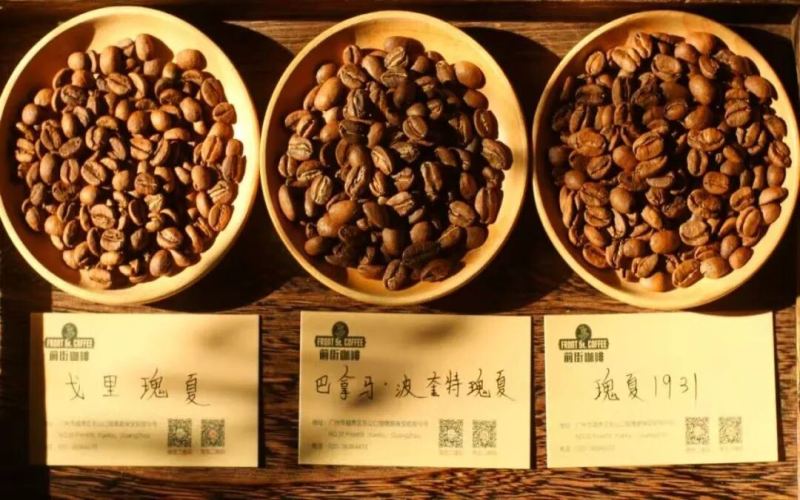
Gesha Village Coffee Grades | What Are the Differences in Flavor and Mouthfeel Between Ethiopia's Gesha Village Gold Label and Red Label Coffee?
Besides Hacienda La Esmeralda's Red Label and Green Label Geisha, there is another group of somewhat well-known "labeled" Geishas on Front Street Coffee's bean menu board. These are the Gold Label Geisha and Red Label Geisha from Ethiopia's Gesha Village. Front Street Coffee has previously shared the grading system of Hacienda La Esmeralda, and has also shared about two estates. [more…]
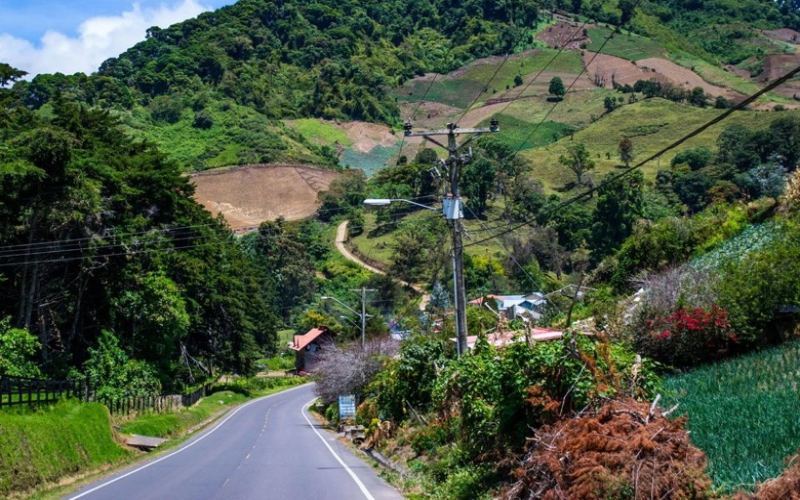
Nuguo Estate: How a Small Estate Broke into the Top Three of Washed Geisha
In the 2025 Best of Panama washed Geisha category, Finca Nuguo placed third with a score of 95.27, behind only Esmeralda and Sophia. In terms of fame, Nuguo is not as renowned as its two neighbors, but in terms of production conditions, it is equally astonishing—the entire estate only [more…]

Recommendations for Coffee Beans with Strong Tropical Fruit Flavor and Sweetness | Is the Panama 90+ Coffee Estate Eleta Coffee Bean a Geisha Coffee? What Are the Flavor Characteristics of 90+ Eleta Coffee?
Tropical Fruit Flavor Coffee Recommendation — Front Street Coffee Panama 90+ Geisha Estate Eleta Coffee Beans Region: Volcan Altitude: 1400~1800m Processing Method: 90+ Processing Method Variety: Geisha Producer: 90+ Estate Flavor: Bergamot, Sweet Orange, Ripe Grape, Fermented Notes, Various Tropical Fruits [more…]
Complete Guide to Geisha Coffee Beans: From Origin and Spread to Taste Grades and Flavor Differences with Huakui
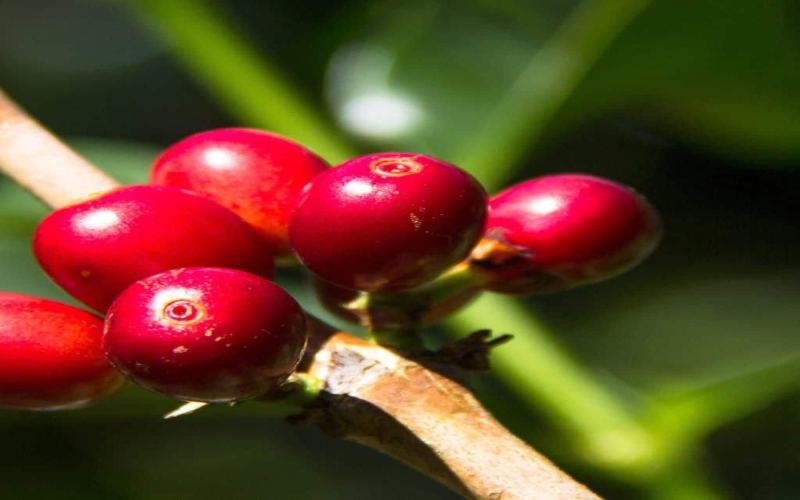
Geisha, hailed as the most legendary coffee variety of the 21st century, has become an undisputed star in the specialty coffee world thanks to its stunning cupping performance and ever-rising auction prices. But where exactly did Geisha come from? Is it the same bean as Huakui? How do you distinguish between the Red Label, Green Label, and Volcanic Rock lots from Panama's Hacienda La Esmeralda? How does the product line from Gesha Village in Ethiopia differ? This article, led by Front Street Coffee (FrontStreet Coffee), will systematically trace Geisha's rise to fame, its varietal characteristics, and its flavor expression across different producing regions, along with practical brewing suggestions to help coffee lovers gain a comprehensive understanding of this legendary variety. [more…]
Bolivian Coffee Beans | Why is Bolivian coffee rarely seen in China? What unique characteristics does Bolivian coffee have?w
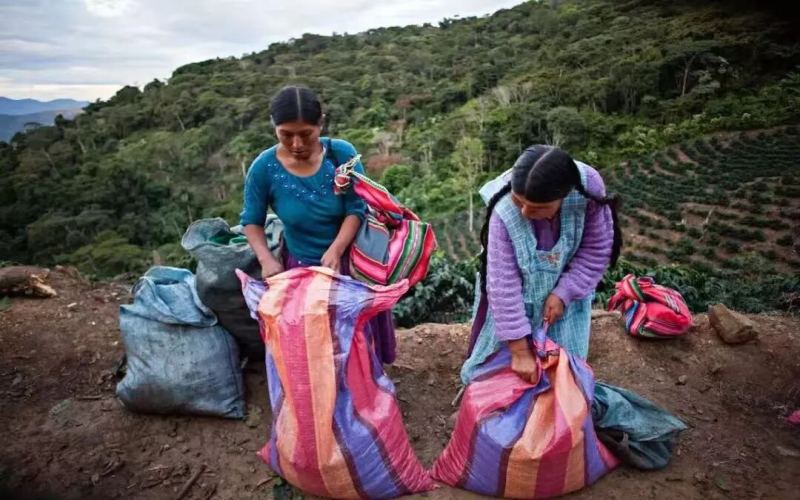
Bolivia is a fascinating place. Although it is called a paradise for coffee growing, its production has always been low. Front Street Coffee is deeply impressed by the delicate flavors of Bolivian coffee. In terms of flavor expression, Bolivian coffee is mostly characterized by rich sweetness and soft acidity. At the 2017 WBC (World Coffee [more…]

The Basic Process of Coffee Tasting | How do you properly taste coffee? What are the steps in coffee tasting? How do you describe the flavor of pour-over black coffee?
For more specialty coffee knowledge, please follow our WeChat official account: FrontStreet Coffee. Tasting coffee is like tasting wine—when we savor a cup of specialty coffee, we naturally aspire to discern its flavors and express them. Since many of our readers have given feedback about coffee tasting-related [more…]
Geisha Coffee Origins | How Do Panamanian and Ethiopian Geisha Differ? What Geisha Varieties Are There? An Introduction to Panama Emerald Geisha Grades
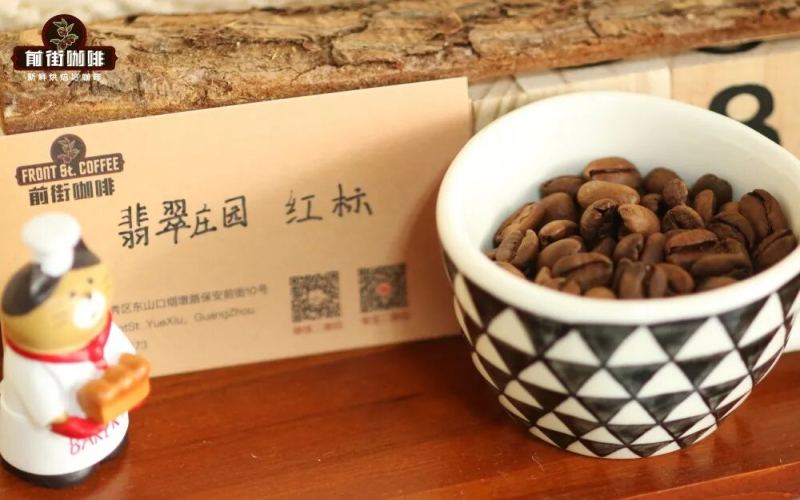
Some people say that Geisha coffee is so expensive, so what exactly does Geisha coffee taste like? Front Street believes that when you drink Geisha coffee, you'll feel like it's not a cup of coffee, but a cup of floral and fruity tea. Because of different growing regions, the flavors that Geisha coffee presents also vary, but overall, Geisha coffee naturally has a [more…]
What are Geisha coffee beans? The origin of Geisha coffee beans, recommended origins, prices, varieties, grade classifications, and an introduction to their flavor characteristics
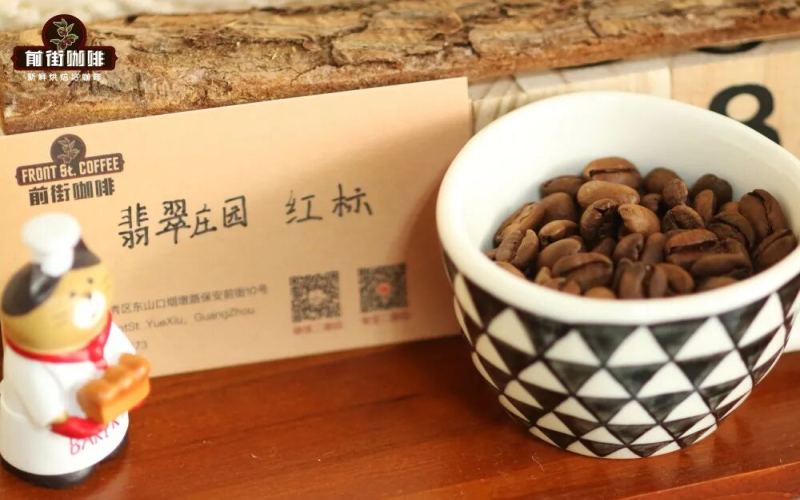
Some people say Geisha coffee is so expensive, but what exactly does Geisha coffee taste like? Front Street believes that when you drink Geisha coffee, it feels less like a cup of coffee and more like a cup of fruit-and-flower tea. Because of different growing regions, the flavors that Geisha coffee presents also vary, but overall, Geisha coffee naturally carries a kind of [more…]
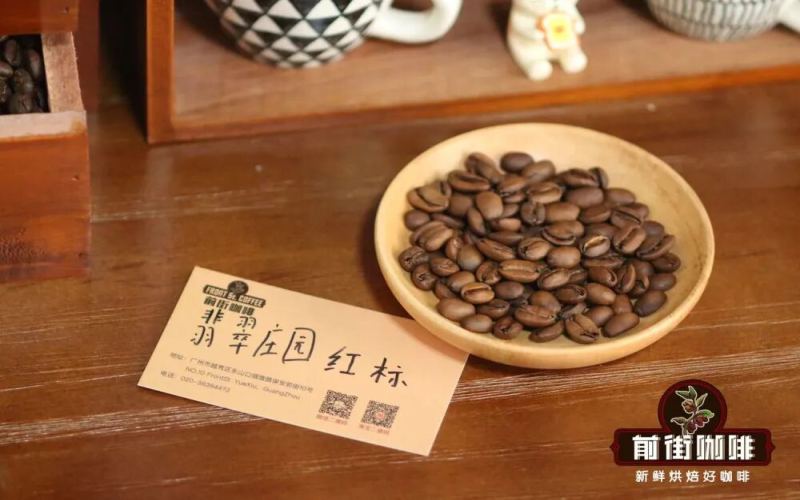
French Press Coffee | What are the differences in coffee flavors of Geisha from different regions? How to use a French press to brew a delicious cup of Geisha coffee?
Kopi Luwak, once one of the top-tier coffees, was so hard to find that a single bean was precious. Today, the newly crowned king of coffee, Geisha, is equally hard to come by. The reason Geisha coffee is so scarce is its high price. If you really do get your hands on a bag of Geisha coffee beans, you'll naturally treat it like a treasure to be savored. However, as someone who is still [more…]
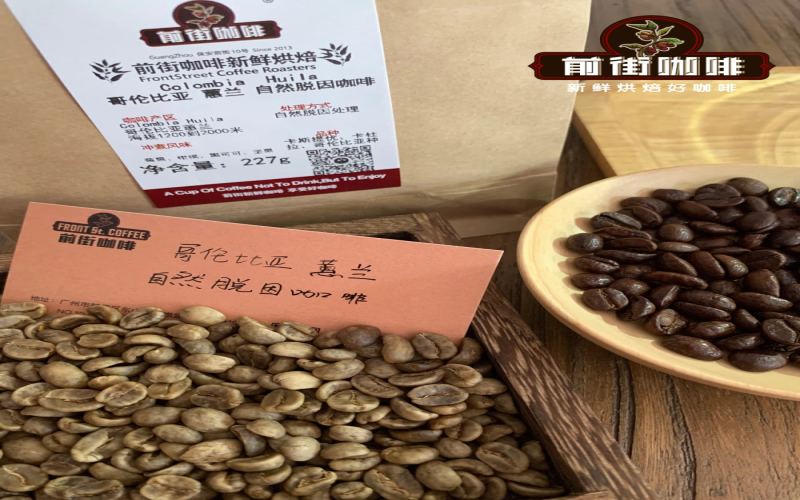
Benefits of Decaf Coffee | Can Drinking Decaf Black Coffee Help with Fat Loss? How to Brew Decaf Coffee Beans? Recommended Delicious and Affordable Specialty Decaf Coffee Beans for Pour-Over
For more specialty coffee knowledge, please follow: Front Street Coffee (Frontsteet Coffee). Experienced coffee enthusiasts know that the coffee beans used in specialty coffee are all Arabica variety coffee beans, which have a lower caffeine content than Robusta variety coffee beans, and therefore perform in coffee flavor cupping [more…]
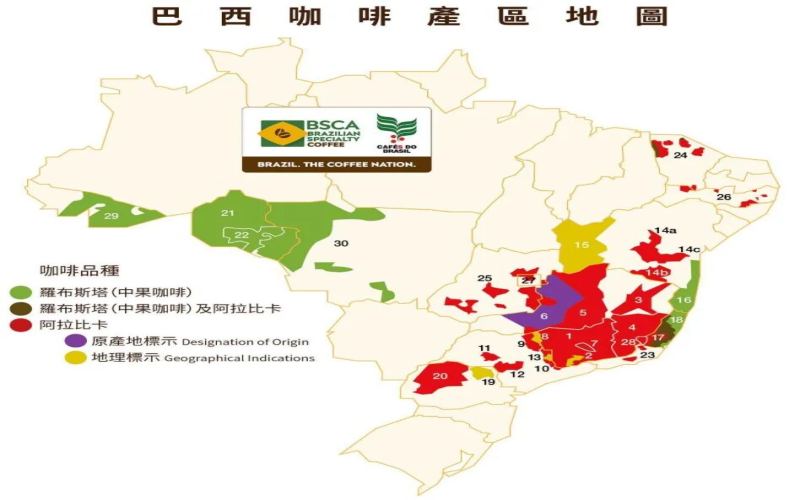
Main Coffee-Producing Regions in Brazil | What Are the Green Coffee Bean Grading Standards in Brazil? How Do You Describe the Flavor of Brazilian Coffee Beans?
What are the characteristics of Brazilian coffee, given that Brazil is the world's largest coffee-producing country? As a South American coffee, Brazilian beans have a relatively balanced flavor, low acidity, and a smooth mouthfeel, making them very suitable for use in espresso blends. Therefore, Front Street Coffee's basic blend, specialty blend, and commercial blend all use Brazilian beans as their base beans. Brazilian coffee [more…]